


Details
Date
Jan 29, 2026
Category
sustainability
Reading
10 Mins

Biodiversity Loss Is a Global Threat — and Coexistence Is the Infrastructure We’re Missing
Biodiversity Loss Is a Global Threat — and Coexistence Is the Infrastructure We’re Missing
The World Economic Forum’s Global Risks Report 2026 delivers a clear warning. In the short term, world leaders expect turbulence driven by geopolitical competition, economic volatility, and social fragmentation. But when experts look ten years out, a different pattern emerges: environmental risks dominate. Among them, biodiversity loss and ecosystem collapse rank among the most severe threats the world will face.¹
This framing matters. It moves biodiversity loss out of the category of “environmental concern” and squarely into the realm of systemic risk—alongside financial crises, conflict, and technological disruption. Yet while the diagnosis is increasingly clear, the solutions are often left vague.
To understand why biodiversity loss is so destabilizing—and what it will take to address it—we need to examine how ecological collapse unfolds on the ground.
Where Biodiversity Loss Becomes Destabilizing
Biodiversity does not disappear quietly. It unravels in lived landscapes: grazing lands, agricultural frontiers, forest edges, and working coastlines. As habitats shrink and ecosystems degrade, wildlife is pushed into closer contact with people. Crop loss, livestock depredation, safety risks, and disease transmission follow. So do political backlash and calls for lethal control.
These are not side effects. They are pressure points—the places where biodiversity loss translates directly into economic instability, social conflict, and governance breakdown.
When people bear the costs of conservation without support, tolerance erodes. When tolerance erodes, ecosystems unravel.
This is why biodiversity loss is a threat multiplier. It amplifies food insecurity, fuels displacement, strains public institutions, and undermines trust—precisely the cascading risks the WEF warns will define the coming decade.
Coexistence Is Essential Infrastructure
IWCN starts from a simple but often overlooked truth:
Biodiversity cannot thrive without human tolerance—yet our economic, agricultural, and social systems are driving severe biodiversity loss, threatening our own health and survival. Transforming our systems around coexistence offers a powerful path forward: restoring biodiversity, strengthening human well-being, and building a more resilient world. This is a call to action for human ingenuity—not despair.
Coexistence is not a moral appeal or a communications strategy. It is infrastructure. It requires systems that prevent conflict, share risk, and make living with wildlife viable over time: prevention tools, compensation and insurance mechanisms, local governance, and durable financing—not short-term bandaging.
Across Africa, North America, and Asia, IWCN promotes coexistence initiatives designed to sustain wildlife in shared landscapes. Large mammals, predators, and migratory species are not conservation luxuries; they are ecological linchpins. When they disappear, ecosystems destabilize. When they persist—supported by coexistence systems—ecosystems hold.
The Wood River Wolf Project: Learning to Coexist
The Wood River Wolf Project (WRWP) offers a clear example of what coexistence looks like in practice—and why it should be understood as risk management and conservation finance, not just conservation action.²
In a working landscape where wolves and livestock overlap, WRWP treats human–wildlife conflict as a predictable financial and social risk. Instead of reacting after livestock losses occur, the project invests upfront in trained field technicians who work directly with herders in active grazing ranges to protect livestock. Their consistent presence, monitoring, and rapid response reduce the likelihood of conflict before losses escalate.
From a finance perspective, this matters. Unmanaged conflict creates volatility: livestock losses, compensation claims, political polarization, enforcement costs, and ecological damage. WRWP lowers that volatility by making outcomes more predictable—for livestock producers, wildlife managers, and communities alike.
The cost of prevention is lower than the cost of reaction.
But WRWP offers more than a cost-effective model. Over nearly two decades, the project has revealed something deeper: the wolf is not the enemy of human livelihoods—but is our teacher. By learning when, where, and why wolves come into conflict with livestock, communities have learned how to adjust human behavior, grazing practices, and management systems to reduce risk for everyone involved.
In this way, the wolf teaches us how coexistence actually works—not through ideology, but through feedback, adaptation, and restraint. WRWP demonstrates that living with predators requires changing human systems, not eliminating wildlife.
This is coexistence as risk-mitigation infrastructure—protecting natural capital by keeping a keystone predator fulfilling its ecological role, while protecting social capital by sustaining tolerance in a shared landscape.
Most importantly, WRWP shows that coexistence works best when it is financed as a system, with predictable funding that supports continuity, trust, and adaptation over time. This is the kind of durable financial architecture IWCN exists to advance—and it is a genuine win–win for people and nature.
Why This Matters in an Age of Global Risk
The Global Risks Report 2026 makes one thing clear: the world is entering a period defined by uncertainty and competition. In such a context, resilience matters. Biodiversity loss undermines resilience not gradually, but exponentially—by weakening the ecological foundations upon which economies and societies depend.
Yet global spending priorities remain deeply misaligned. The world continues to invest far more in activities that degrade nature than in those that protect it. Coexistence systems—though proven, practical, and scalable—remain chronically underfunded.
This is not a failure of awareness. It is a failure of design.
If biodiversity loss is a global risk, then coexistence is a form of risk management. It belongs alongside insurance, infrastructure, and adaptation finance—not on the margins of environmental philanthropy.
The Bottom Line
The World Economic Forum’s warning is clear: the next decade will test the stability of our systems. Biodiversity loss is not peripheral to that challenge—it is central to it.
IWCN’s work, and models like the Wood River Wolf Project, show that protecting biodiversity at scale means investing where risk is most concentrated: at the human–wildlife interface. When coexistence is funded as essential infrastructure, ecosystems remain resilient, communities remain engaged, and global risks become more manageable.
In a world of cascading instability, coexistence is not optional. It is foundational.

References
-
World Economic Forum, Global Risks Report 2026:
https://www.weforum.org/stories/2026/01/global-risks-2026-top-10-two-and-ten-year-horizon/ -
Wood River Wolf Project / International Wildlife Coexistence Network:
https://wildlifecoexistence.org
Related Articles
Biodiversity Loss Is a Global Threat — and Coexistence Is the Infrastructure We’re Missing
sustainability
The World Economic Forum’s Global Risks Report 2026 delivers a clear warning. In the short term, world leaders expect turbulence driven by geopolitical competition, economic volatility, and social fragmentation. But when experts look ten years out, a different pattern emerges: environmental risks dominate. Among them, biodiversity loss and ecosystem collapse rank among the most severe threats the world will face.¹
This framing matters. It moves biodiversity loss out of the category of “environmental concern” and squarely into the realm of systemic risk—alongside financial crises, conflict, and technological disruption. Yet while the diagnosis is increasingly clear, the solutions are often left vague.
To understand why biodiversity loss is so destabilizing—and what it will take to address it—we need to examine how ecological collapse unfolds on the ground.
Where Biodiversity Loss Becomes Destabilizing
Biodiversity does not disappear quietly. It unravels in lived landscapes: grazing lands, agricultural frontiers, forest edges, and working coastlines. As habitats shrink and ecosystems degrade, wildlife is pushed into closer contact with people. Crop loss, livestock depredation, safety risks, and disease transmission follow. So do political backlash and calls for lethal control.
These are not side effects. They are pressure points—the places where biodiversity loss translates directly into economic instability, social conflict, and governance breakdown.
When people bear the costs of conservation without support, tolerance erodes. When tolerance erodes, ecosystems unravel.
This is why biodiversity loss is a threat multiplier. It amplifies food insecurity, fuels displacement, strains public institutions, and undermines trust—precisely the cascading risks the WEF warns will define the coming decade.
Coexistence Is Essential Infrastructure
IWCN starts from a simple but often overlooked truth:
Biodiversity cannot thrive without human tolerance—yet our economic, agricultural, and social systems are driving severe biodiversity loss, threatening our own health and survival. Transforming our systems around coexistence offers a powerful path forward: restoring biodiversity, strengthening human well-being, and building a more resilient world. This is a call to action for human ingenuity—not despair.
Coexistence is not a moral appeal or a communications strategy. It is infrastructure. It requires systems that prevent conflict, share risk, and make living with wildlife viable over time: prevention tools, compensation and insurance mechanisms, local governance, and durable financing—not short-term bandaging.
Across Africa, North America, and Asia, IWCN promotes coexistence initiatives designed to sustain wildlife in shared landscapes. Large mammals, predators, and migratory species are not conservation luxuries; they are ecological linchpins. When they disappear, ecosystems destabilize. When they persist—supported by coexistence systems—ecosystems hold.
The Wood River Wolf Project: Learning to Coexist
The Wood River Wolf Project (WRWP) offers a clear example of what coexistence looks like in practice—and why it should be understood as risk management and conservation finance, not just conservation action.²
In a working landscape where wolves and livestock overlap, WRWP treats human–wildlife conflict as a predictable financial and social risk. Instead of reacting after livestock losses occur, the project invests upfront in trained field technicians who work directly with herders in active grazing ranges to protect livestock. Their consistent presence, monitoring, and rapid response reduce the likelihood of conflict before losses escalate.
From a finance perspective, this matters. Unmanaged conflict creates volatility: livestock losses, compensation claims, political polarization, enforcement costs, and ecological damage. WRWP lowers that volatility by making outcomes more predictable—for livestock producers, wildlife managers, and communities alike.
The cost of prevention is lower than the cost of reaction.
But WRWP offers more than a cost-effective model. Over nearly two decades, the project has revealed something deeper: the wolf is not the enemy of human livelihoods—but is our teacher. By learning when, where, and why wolves come into conflict with livestock, communities have learned how to adjust human behavior, grazing practices, and management systems to reduce risk for everyone involved.
In this way, the wolf teaches us how coexistence actually works—not through ideology, but through feedback, adaptation, and restraint. WRWP demonstrates that living with predators requires changing human systems, not eliminating wildlife.
This is coexistence as risk-mitigation infrastructure—protecting natural capital by keeping a keystone predator fulfilling its ecological role, while protecting social capital by sustaining tolerance in a shared landscape.
Most importantly, WRWP shows that coexistence works best when it is financed as a system, with predictable funding that supports continuity, trust, and adaptation over time. This is the kind of durable financial architecture IWCN exists to advance—and it is a genuine win–win for people and nature.
Why This Matters in an Age of Global Risk
The Global Risks Report 2026 makes one thing clear: the world is entering a period defined by uncertainty and competition. In such a context, resilience matters. Biodiversity loss undermines resilience not gradually, but exponentially—by weakening the ecological foundations upon which economies and societies depend.
Yet global spending priorities remain deeply misaligned. The world continues to invest far more in activities that degrade nature than in those that protect it. Coexistence systems—though proven, practical, and scalable—remain chronically underfunded.
This is not a failure of awareness. It is a failure of design.
If biodiversity loss is a global risk, then coexistence is a form of risk management. It belongs alongside insurance, infrastructure, and adaptation finance—not on the margins of environmental philanthropy.
The Bottom Line
The World Economic Forum’s warning is clear: the next decade will test the stability of our systems. Biodiversity loss is not peripheral to that challenge—it is central to it.
IWCN’s work, and models like the Wood River Wolf Project, show that protecting biodiversity at scale means investing where risk is most concentrated: at the human–wildlife interface. When coexistence is funded as essential infrastructure, ecosystems remain resilient, communities remain engaged, and global risks become more manageable.
In a world of cascading instability, coexistence is not optional. It is foundational.
References
-
World Economic Forum, Global Risks Report 2026:
https://www.weforum.org/stories/2026/01/global-risks-2026-top-10-two-and-ten-year-horizon/ -
Wood River Wolf Project / International Wildlife Coexistence Network:
https://wildlifecoexistence.org

Kibasila eCooking Model School — a pioneering step in Tanzania’s clean energy journey.
renewable energy
Last week, the British High Commission to Tanzania Marianne Young joined Professor Peter Msoffe Deputy Permanent Secretary, Vice President’s Office and key partners to launch the Kibasila eCooking Model School — a pioneering step in Tanzania’s clean energy journey. Through UK support to the Modern Energy Cooking Services (MECS) programme, and in collaboration with Sustainable Energy for All (SEforALL), World Food Programme, Rural Energy Agency, Tanzania National Carbon Monitoring Center and Tanzania Education Authority and the Tanzania Education Authority, this initiative aims to bring clean, affordable, and modern cooking solutions to schools across the country.
The model school showcases the potential for e-Cooking to reduce environmental degradation, improve health outcomes, and empower youth through sustainable energy innovation. 🌱 A cleaner, healthier future starts in the classroom.

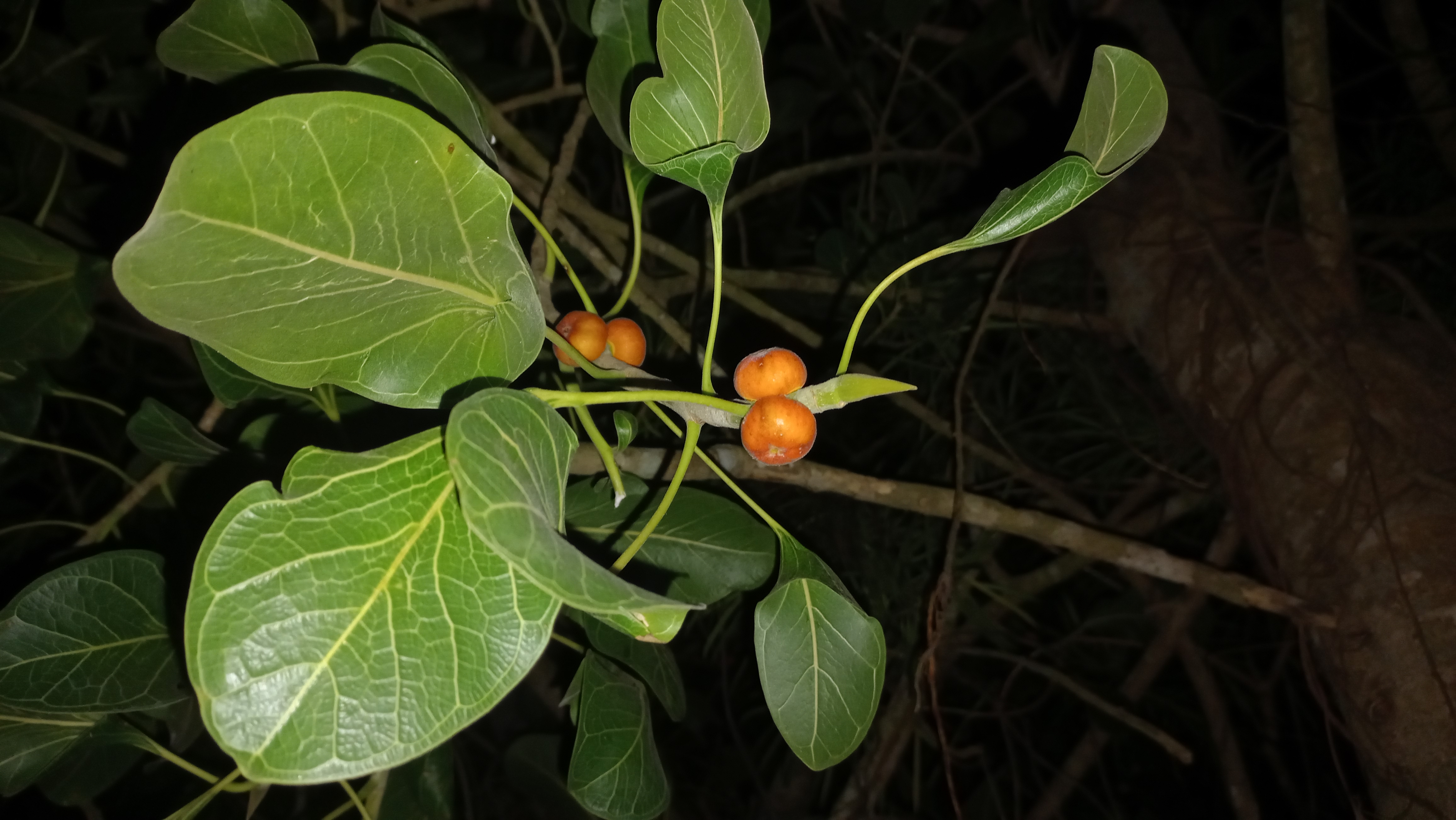
Ficus Krishnae: A Glimpse into Odisha's Sacred Fig and Its Natural Beauty.
In the heart of India’s Odisha region lies a unique and striking tree—Ficus Krishnae, also known as the Sacred Fig. While this species may be native to India, its incredible versatility and beauty make it a tree with global appeal. From its rich ornamental value to its significant ecological role, Ficus Krishnae is becoming an increasingly popular choice for gardens, parks, and public landscapes around the world. But beyond its beauty, this tree also carries deep cultural and environmental importance, making it a symbol of both natural harmony and human connection to the environment.
Ficus Krishnae is a species of fig tree belonging to the Moraceae family, a group that also includes the famous banyan (Ficus benghalensis) and the peepal (Ficus religiosa). This tree is admired worldwide for its glossy, dark green leaves that create a striking contrast against the bright orange or red fruits that develop on its branches. These vivid fruits, coupled with the tree’s elegant canopy, make Ficus Krishnae a favorite in landscaping, especially for those looking to create lush, tropical environments in both residential and public spaces.
What makes Ficus Krishnae especially appealing is its adaptability. Thriving in a range of climates, from tropical to subtropical, this tree is a hardy, low-maintenance choice for urban and rural landscapes alike. Whether used as an ornamental specimen in home gardens, as part of an eco-friendly urban greening project, or planted along streets and pathways, Ficus Krishnae adds a touch of exotic beauty to any setting. It requires minimal care once established, thriving in well-drained soil and tolerating periods of drought, which makes it ideal for regions with dry seasons or water scarcity.
Beyond its visual appeal, Ficus Krishnae plays a significant role in maintaining ecological balance. In its native habitat, the tree is a vital part of the local ecosystem, supporting a wide variety of wildlife. Its dense foliage provides shelter for birds, small mammals, and insects, while its small, round fruits are a food source for various species, including birds that help disperse its seeds.
The tree also serves as an important soil stabilizer. With its deep and spreading root system, Ficus Krishnae helps prevent soil erosion, particularly in areas prone to land degradation, such as riverbanks and hilly terrains. By planting Ficus Krishnae, communities around the world can contribute to maintaining the health of their local environment, improving soil quality, and supporting biodiversity. This tree’s ability to flourish in a range of soil types and climates also makes it a perfect candidate for environmental restoration projects. Whether reforesting deforested areas or stabilizing degraded lands, Ficus Krishnae proves to be a valuable ally in the fight against climate change.
In addition to its ecological importance, Ficus Krishnae is deeply intertwined with cultural and spiritual traditions. In India, where the tree is often found near temples and sacred groves, it holds great significance in local religious practices. The Ficus genus is associated with Hinduism, Buddhism, and Jainism, and trees like Ficus Krishnae are considered symbols of strength, longevity, and protection. The act of planting a Ficus Krishnae near a temple or a home is believed to bring blessings and prosperity. Though Ficus Krishnae may not be as widely recognized in other parts of the world as its cousins, such as the peepal tree, its cultural and spiritual resonance is significant. In global contexts, the symbolism of strength and protection resonates with various cultures, and the tree is increasingly seen as a symbol of resilience and sustainability. For those who practice sustainable living or are interested in eco-conscious gardening, planting a Ficus Krishnae becomes an act that ties environmental stewardship with cultural mindfulness.
Ficus Krishnae has found its way into international gardens and landscapes, especially as the demand for unique and hardy ornamental plants grows. The tree’s ability to adapt to different environments makes it suitable for a variety of landscapes, whether in tropical, subtropical, or even temperate climates. Its lush appearance adds a tropical feel to urban gardens, parks, and public spaces, especially in regions where growing native species is encouraged.
For gardeners looking for a plant that combines beauty, ecological function, and cultural depth, Ficus Krishnae offers a versatile solution. It works well as a feature tree in large gardens, as a hedge for privacy, or even as a container plant for smaller spaces. With its slow-growing nature, it is ideal for urban areas where large, fast-growing trees may not be appropriate. As a result, this tree has become a favored choice for eco-conscious landscapers and city planners who seek to integrate more greenery into urban environments.
The global interest in Ficus Krishnae reflects a broader trend toward sustainability and environmental consciousness. As urbanization accelerates and the effects of climate change become more pronounced, more people are looking to native and hardy plants like Ficus Krishnae to create greener, more sustainable living spaces. This tree’s drought resistance, soil-stabilizing properties, and role in supporting biodiversity make it an ideal choice for landscaping projects focused on environmental sustainability. In conservation efforts, Ficus Krishnae offers valuable ecological services. By protecting this tree and promoting its cultivation in reforestation and green building projects, we can help mitigate the environmental challenges that affect many parts of the world. Its use in land restoration efforts could help stabilize soil in areas vulnerable to erosion, while also providing food and shelter for wildlife.
Ficus Krishnae is more than just a beautiful ornamental tree; it is a vital component of ecosystems, a symbol of cultural heritage, and a sustainable choice for gardeners and city planners worldwide. Whether appreciated for its lush beauty, its ecological contributions, or its spiritual significance, this sacred fig tree is a reminder of the deep connection between nature and human culture. As more people around the world seek ways to live in harmony with the environment, Ficus Krishnae stands as a living example of how one tree can bring beauty, balance, and sustainability to the places we live.
From its origins in Odisha to gardens and green spaces around the world, Ficus Krishnae has proven itself to be a tree of global importance. As we move toward a more sustainable and ecologically aware future, planting and preserving trees like Ficus Krishnae can make a lasting impact on our planet, one tree at a time.